Blogging 101: Understanding What It Is, How It Works, and the Pros & Cons.
Curious to understand the world of blogging? Interested in the advantages and disadvantages of starting a blog? Well, you’ve landed in the right spot.
A blog serves as a platform where you can share your thoughts, ideas, and experiences with a global audience. It’s not just limited to personal expression – blogs are also powerful tools for promoting businesses, connecting with like-minded individuals, and even making some extra income.
Initially, blogs began as digital diaries, but today, they’ve transformed into much more. Many bloggers now earn a full-time living through their blogs.
In this post, we’ll delve into:
A blog serves as a platform where you can share your thoughts, ideas, and experiences with a global audience. It’s not just limited to personal expression – blogs are also powerful tools for promoting businesses, connecting with like-minded individuals, and even making some extra income.
Initially, blogs began as digital diaries, but today, they’ve transformed into much more. Many bloggers now earn a full-time living through their blogs.
In this post, we’ll delve into:
- What is Blogging: Unpacking the definition and the essence of a blog.
- How Blogging Works: Exploring the different types of blogs, major blogging platforms, and more.
- Pros and Cons of Blogging: We’ll weigh the advantages and disadvantages, helping you make an informed decision.
Table of Contents
- Blogging 101: Understanding What It Is, How It Works, and the Pros & Cons.
-
What is Blogging? How Does It Work & More
- Blog Definition and Meaning:
- What is Blog Post:
- Distinguishing Between a Blog and a Website:
- How Blogging Works:
- Purposes and Benefits of Blogging
- Pros and Cons of Blogging
- Major Blogging Platforms
- How Bloggers Get Paid
- Creating Your Own Blog
- Can You Make Money Through Blogging?
- Beginner Blogging Tips
- Quick Checklist for Beginners to Build A Successful Blog in 2024
- FAQs
- Final Thoughts on Blogging:
What is Blogging? How Does It Work & More

Blog Definition and Meaning:
A blog is a specific type of website where the owner, also known as the author, shares their experiences, opinions, thoughts, or anything else they want to communicate with the world. The term “blog” is a shortened form of the words “weblog.”In simpler terms, a blog is like an online journal where individuals can express their thoughts and opinions on various topics. It serves as a platform for sharing expertise and ideas. Blogs mainly emphasize written content, often presented in an informal or conversational style.
Blogs cover a wide range of topics, but many are dedicated to a particular niche, such as fashion, beauty, lifestyle, food, travel, parenting, finance, and more.
Interesting Blogging Statistics:
- According to WordPress, users publish over 70 million posts each month.
- As per Panorama, blogs rank as the fifth most trustworthy source for online information.
- A significant 77% of internet users regularly read blogs.
- Research indicates that 22% of bloggers post weekly, 2% post daily, and 1% post multiple times a day.
What is Blog Post:
A blog post, also referred to as a “blog article,” is essentially an article published on a blog.These posts typically present textual information, ranging from product reviews and tutorials to insightful articles on various topics. Unlike traditional academic articles, blog posts often adopt a more informal writing style.
Examples of blog posts encompass:
- Personal blog posts
- Opinions on current events or trending topics
- Stories
- How-to blog posts
- Tutorials
Distinguishing Between a Blog and a Website:
Ever found yourself pondering the difference between a blog and a website? Let’s unravel the major distinctions.- Integration: Blogs can be an integral part of a website. For instance, Semrush.com functions as a website selling SEO software, and it also features a blog to attract more traffic and educate users about its products.
- Structure: A blog can serve as a standalone website with a main page and additional pages related to the blog. Many well-known websites are essentially blogs. Take BloggersPassion.com, for instance, where the main page showcases the latest blog posts, and there are other pages like “About,” “Contact,” and “eBooks.”
- Order of Content: Blogs are organized in reverse chronological order, placing the newest post at the top. Websites, on the other hand, can have varied structures based on their purpose.
- Tone: Blogs often adopt a conversational tone, while most websites adhere to a formal or corporate writing style.
- Interactivity: Blogs are interactive, allowing reader engagement through features like commenting and social sharing buttons, a feature most websites may not have.
- Update Frequency: Blogs are regularly updated with fresh content, while websites may not undergo updates as frequently.
- Purpose: Above all, a blog primarily aims to educate its audience about a topic or product, while websites are more focused on selling a product or service.
How Blogging Works:
Curious about how blogging operates? Let’s break it down.To kick off your blogging journey, the first step is to create an account on a blogging platform like WordPress or Blogger. These platforms provide the infrastructure for you to set up your blog.
Once your account is set up, you’re ready to dive into the world of blogging. You can start crafting posts and publish them online for your audience to see.
Enhance your blog by incorporating visuals such as pictures and videos. Don’t forget to share links to your posts on social media platforms like Facebook and Twitter to expand your reach.
As your blog gains traction and attracts an audience, there’s potential to monetize your efforts.
Here are a few ways bloggers commonly make money:
- Selling Affiliate Products: Promoting and selling products from other companies and earning a commission for each sale made through your referral.
- Selling Your Own Products: If you have products or services to offer, your blog serves as a platform to showcase and sell them.
- Display Ads: Integrate display ads, such as AdSense, Mediavine, or Media.net, into your blog. Earn revenue when visitors interact with these ads.
Purposes and Benefits of Blogging
Blogging comes with a plethora of advantages, with a major highlight being the potential to generate income.The blog you’re currently exploring brings in over $30,000 monthly, and numerous full-time bloggers are earning upwards of $200,000 annually. If you’re curious for more details, our top blogger income reports provide comprehensive insights.
Here are some compelling reasons to venture into blogging in 2024.
Build Online Reputation: Establishing a personal brand is crucial, whether your aim is to increase income, grow an audience, or achieve financial success. Building a blog is the optimal way to accomplish this.
With blogging, you can craft high-quality content that positions you as an authority. This authority can open doors to new opportunities, including speaking engagements, freelance opportunities, high-paying job offers, and more.
Make Money: Blogging stands out as the premier method for making money online. While every niche faces substantial competition, consistent effort can lead to financial success. Numerous passive income sources, including affiliate marketing, selling courses, and your own products, can contribute to your blog’s revenue.
In essence, blogging serves as a versatile and effective tool for achieving diverse goals, from enhancing online reputation to making money and building a dedicated audience.
Building Skills Through Blogging and Other Benefits:Engaging in blogging provides a platform for skill development, enabling you to enhance various abilities:
- Writing Skills: Regularly creating and publishing blog posts helps sharpen your writing skills, fostering effective communication with your audience.
- Editing Skills: Managing and editing your own work is a crucial aspect of blogging, contributing to the development of your editing skills and a keen eye for detail.
- SEO Skills: Blogging necessitates understanding SEO (Search Engine Optimization) to boost website traffic.
Acquiring SEO skills is not only beneficial for your blog but is also considered a high-income skill, guiding you in ranking your website higher on Google. - Social Media Skills: Being active on social media is integral to blogging. This involvement aids in mastering social media skills, providing insights into effective marketing strategies.
Networking: Through blogging, you can establish connections with fellow bloggers and influencers within your industry. Following them on social media, reaching out via email, and engaging in blog post discussions can lead to valuable relationships and learning experiences from seasoned professionals.
Generating Traffic and Sales: Whether you operate an online business or a physical store, a blog can serve as a powerful tool to drive traffic and boost sales. By consistently publishing high-quality content relevant to your target audience, you attract focused visitors to your website, increasing the potential for converting them into customers.
Blogging is a versatile and effective means to achieve diverse goals, including skill development, building connections, and driving business success through increased online reputation, income generation, and audience building.
Different Types of BlogsThe blogging world is incredibly diverse, with a myriad of blog types gaining popularity.
Here are some common categories:
Here are some common categories:
- Travel Blogs: Centered around sharing travel adventures, these blogs provide tips on securing the best flight and hotel deals, uncovering must-see attractions, and more.
- Personal Blogs: Authored by individuals, personal blogs offer a space to share life experiences, thoughts, and emotions, covering a wide range of topics.
- Niche Blogs: Focused on a specific topic, such as weight loss, parenting, or lifestyle, niche blogs often target high CPC (Cost Per Click) keywords for monetization through affiliate ads or display ads.
- Lifestyle or Fashion Blogs: Dedicated to the latest trends in fashion, beauty, and lifestyle, these blogs provide insights into current styles and trends.
- Health Blogs: Concentrating on health and wellness, these blogs explore topics like nutrition, fitness, and mental well-being.
- Corporate Blogs: Utilized by major brands, corporate blogs share company news, updates, and information about products and services. An exemplary instance is the Semrush blog.
Pros and Cons of Blogging
Blogging garners diverse opinions – some view it as a valuable networking and income-generating tool, while others deem it a time-consuming endeavor.Let’s explore the pros and cons of blogging:Pros of Blogging:
- Income Generation: One of the most significant advantages is the potential to make money. Various monetization methods, such as selling advertising, products or services, and affiliate marketing, offer avenues for income.
- Sharing Ideas: Blogging enables you to share your ideas and thoughts globally. It fosters connections with like-minded individuals, allowing you to build a community of followers around your blog.
- Personal Branding: Establishing a personal brand and positioning yourself as an industry expert are key benefits of blogging. It enhances your professional reputation.
- Traffic and Leads: Blogging serves as an effective strategy to drive traffic to your website and generate leads for your business. Optimizing blog posts for search engines increases site visits and potential business interactions.
- Skill Development: Blogging is a platform for building and enhancing various skills, including writing, coding, networking, and SEO.
Cons of Blogging:
- Time and Effort: Building a successful blog requires substantial time and effort. If you seek faster results, blogging might not be the ideal choice.
- Content Creation Challenges: Consistently generating fresh content and effectively promoting the blog can be challenging.
- Intense Competition: With millions of blogs on the internet, standing out and building a superior blog can be extremely difficult.
- Overwhelming Tasks: Blogging can become overwhelming. Without careful management, daily tasks of maintaining the blog and promoting content can consume significant time.
Major Blogging Platforms
Selecting the right blogging platform is crucial for managing your blogs effortlessly.Here are five major blogging platforms used by millions of websites worldwide:
- WordPress:
- Overview: The world’s #1 content management system, widely used by most websites.
- Recommendation: Ideal for beginners due to its ease of setup, user-friendly interface, and diverse features, including themes and plugins.
- Medium:
- Overview: Known for high-quality content and a user-friendly interface.
- Suitability: Perfect for writers and individuals aiming to share their ideas with a broad audience.
- Blogger:
- Overview: Managed by Google, Blogger is a popular and user-friendly blogging platform.
- Ease of Use: Offers easy setup, various templates, and is a good choice for beginners and hobby bloggers.
- Wix:
- Overview: A user-friendly platform with a drag-and-drop interface for easy blog creation and customization.
- Suitability: Well-suited for beginners who want a professional-looking blog without delving into coding.
- Weebly:
- Overview: A free website builder catering to easy creation of websites, blogs, and online stores.
- Features: Offers hundreds of customizable templates and SEO tools for user convenience.
How Bloggers Get Paid
The income of bloggers varies significantly and depends on various factors such as traffic, keyword CPC value, monetization strategies, promoted products, and niche.While there’s no fixed amount, bloggers commonly employ several monetization strategies to get paid:
- Advertising:High-traffic and niche bloggers often sell ad space on their blogs to companies. Display ad networks like Google AdSense or Media.net are used to earn money through clicks.
- Affiliate Marketing:Bloggers promote products or services in their posts and earn a commission on sales made through their affiliate links. An effective strategy for earning passive income.
- Sponsored Posts:Bloggers can write posts sponsored by companies, getting paid for crafting positive reviews of the company’s products or services.
- Selling Products or Services:Bloggers sell their own products, such as eBooks or online courses, creating additional income streams.
Offering services like consulting, freelance writing, coding, etc., contributes to their revenue.
Creating Your Own Blog
Creating a blog is a straightforward process, and numerous free blogging platforms simplify the initial setup.Here are some simplified steps to help you create your own blog:
- Step 1: Choose a Blogging Platform:Explore various platforms like WordPress, Blogger, and Wix.
Recommended: Opt for WordPress.org for its SEO-friendliness and user-friendly interface. - Step 2: Pick a Domain Name:Select a unique and memorable domain name that represents your blog.
Ensure it is catchy and easy to remember for your audience. - Step 3: Set Up Your Blog:For WordPress users, choose a web host that suits your requirements.
Select a theme or template for your blog and customize its appearance to align with your preferences.
Can You Make Money Through Blogging?
Yes, You Can Make Money Through Blogging.Absolutely, it is indeed possible to make money through blogging. In fact, the blog you are currently reading generates over $13,000 per month. Detailed income reports are available for further insights.
Highlighted Example: The blog generated over $450,000 from a single product, showcasing the substantial earning potential achievable through effective blogging.
While the potential is significant, it’s important to note that making money through blogging is not an instant process, especially for newcomers or those unfamiliar with selling products or services. It requires time to acquire and enhance various blogging skills, including writing, SEO, marketing, etc.
For those genuinely interested in monetizing their blogs, here are some actionable tips to get started on the right path.
Finding a Profitable Niche
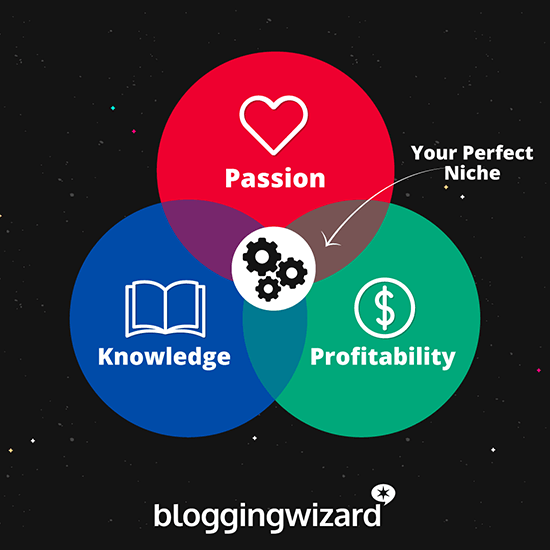
The initial step in creating a successful blog is identifying a profitable niche. A profitable niche refers to a specific topic or area of interest with potential buyers willing to invest in related products or services. Here’s a guide on how to find a profitable niche.
Explore Your Interests:Reflect on your hobbies, passions, and areas of expertise.
Consider what you enjoy doing in your free time or the skills you possess.
Generate a List of Potential Niches:Compile a list of potential niches based on your interests and expertise.
Research Demand:Utilize keyword research tools like Semrush to assess the demand for products or services in each niche.
Evaluate the search volume, competition, and potential profitability of each niche.
For further assistance, here’s a list of 13 potentially profitable niches to consider in 2024
The initial step in creating a successful blog is identifying a profitable niche. A profitable niche refers to a specific topic or area of interest with potential buyers willing to invest in related products or services. Here’s a guide on how to find a profitable niche.
Explore Your Interests:Reflect on your hobbies, passions, and areas of expertise.
Consider what you enjoy doing in your free time or the skills you possess.
Generate a List of Potential Niches:Compile a list of potential niches based on your interests and expertise.
Research Demand:Utilize keyword research tools like Semrush to assess the demand for products or services in each niche.
Evaluate the search volume, competition, and potential profitability of each niche.
For further assistance, here’s a list of 13 potentially profitable niches to consider in 2024
Building an Audience
After identifying a profitable niche, the subsequent step is to build an audience.
The most effective approach involves delivering high-quality content that addresses the problems or needs of your target audience.
Here’s a strategy to build an audience:
Quality Content Creation:Produce valuable content in various formats such as blog posts, videos, eBooks, etc. Address the specific problems or challenges your audience faces within the chosen niche.
Problem Solving:Focus on solving the problems of your audience through your content.
Offer practical solutions, insights, and information that genuinely help your audience.
Consistency:Maintain a consistent schedule for content creation and publication.
Regularly update your blog or platform with fresh, relevant, and engaging content.
By consistently providing solutions and valuable information, you can establish trust and credibility with your audience. As a result, they are more likely to engage with your content and consider purchasing products or services from you. Building an audience is a gradual process that requires dedication and a commitment to meeting the needs of your target audience.
After identifying a profitable niche, the subsequent step is to build an audience.
The most effective approach involves delivering high-quality content that addresses the problems or needs of your target audience.
Here’s a strategy to build an audience:
Quality Content Creation:Produce valuable content in various formats such as blog posts, videos, eBooks, etc. Address the specific problems or challenges your audience faces within the chosen niche.
Problem Solving:Focus on solving the problems of your audience through your content.
Offer practical solutions, insights, and information that genuinely help your audience.
Consistency:Maintain a consistent schedule for content creation and publication.
Regularly update your blog or platform with fresh, relevant, and engaging content.
By consistently providing solutions and valuable information, you can establish trust and credibility with your audience. As a result, they are more likely to engage with your content and consider purchasing products or services from you. Building an audience is a gradual process that requires dedication and a commitment to meeting the needs of your target audience.
Monetizing Your Blog
After successfully building an audience, it’s time to explore ways to generate income from your blog.
Here are some common methods of monetizing a blog:
Selling Products or Services:Create and sell your own products or services related to your niche.
This could include eBooks, online courses, consulting services, merchandise, etc.
Display Ads:Integrate display advertisements on your blog.
Use ad networks like Google AdSense or Media.net to earn revenue based on ad impressions and clicks.
Affiliate Marketing:Promote other companies’ products or services through affiliate marketing.
Earn commissions for every sale or lead generated through your unique affiliate links.
Sponsored Posts:Collaborate with companies for sponsored posts.
Get paid for writing content that promotes a company’s products or services.
Tips for Effective Monetization:
Diversify Income Streams: Explore multiple monetization methods to maximize earnings.
Align with Niche: Ensure that the monetization strategies align with your blog’s niche and audience.
Transparent Communication: Clearly communicate any affiliate or sponsored content to maintain trust with your audience.
Optimize User Experience: Balance the placement of ads to avoid overwhelming your audience and maintain a positive user experience.
Remember, successful monetization often comes with time and consistent efforts. It’s crucial to strike a balance between generating income and providing value to your audience.
After successfully building an audience, it’s time to explore ways to generate income from your blog.
Here are some common methods of monetizing a blog:
Selling Products or Services:Create and sell your own products or services related to your niche.
This could include eBooks, online courses, consulting services, merchandise, etc.
Display Ads:Integrate display advertisements on your blog.
Use ad networks like Google AdSense or Media.net to earn revenue based on ad impressions and clicks.
Affiliate Marketing:Promote other companies’ products or services through affiliate marketing.
Earn commissions for every sale or lead generated through your unique affiliate links.
Sponsored Posts:Collaborate with companies for sponsored posts.
Get paid for writing content that promotes a company’s products or services.
Tips for Effective Monetization:
Diversify Income Streams: Explore multiple monetization methods to maximize earnings.
Align with Niche: Ensure that the monetization strategies align with your blog’s niche and audience.
Transparent Communication: Clearly communicate any affiliate or sponsored content to maintain trust with your audience.
Optimize User Experience: Balance the placement of ads to avoid overwhelming your audience and maintain a positive user experience.
Remember, successful monetization often comes with time and consistent efforts. It’s crucial to strike a balance between generating income and providing value to your audience.
Promoting Your Blog
After setting up your blog and implementing monetization strategies, the final crucial step is promoting your blog to attract more traffic and increase revenue. Blog promotion enhances visibility and helps your blog stand out.
Here are some effective promotion tactics:
Write Answers on Quora:Engage with the Quora community by providing valuable answers related to your blog’s niche.
Include links to relevant blog posts in your responses to drive traffic.
Social Media Promotion:Leverage social media platforms to share your blog content.
Create engaging posts, use relevant hashtags, and encourage audience interaction.
Email List Building:Build an email list to directly reach your audience.
Send regular newsletters with updates, exclusive content, and promotions to keep your audience engaged.
Additional Tips for Blog Promotion:
After setting up your blog and implementing monetization strategies, the final crucial step is promoting your blog to attract more traffic and increase revenue. Blog promotion enhances visibility and helps your blog stand out.
Here are some effective promotion tactics:
Write Answers on Quora:Engage with the Quora community by providing valuable answers related to your blog’s niche.
Include links to relevant blog posts in your responses to drive traffic.
Social Media Promotion:Leverage social media platforms to share your blog content.
Create engaging posts, use relevant hashtags, and encourage audience interaction.
Email List Building:Build an email list to directly reach your audience.
Send regular newsletters with updates, exclusive content, and promotions to keep your audience engaged.
Additional Tips for Blog Promotion:
- Consistency: Regularly share new content and updates on your blog to maintain audience interest.
- Collaborate with Influencers: Partner with influencers or other bloggers in your niche for cross-promotion.
- Optimize for SEO: Implement SEO strategies to enhance your blog’s visibility in search engine results.
- Engage in Online Communities: Participate in forums and groups related to your niche to share your expertise and promote your blog.
Beginner Blogging Tips
Drawing from over 10 years of blogging experience, here are some valuable tips, especially tailored for beginners, to set you on the right path:- Be Consistent:Regular posting is crucial for sustained blogging success. Use an editorial calendar to stay organized and consistently deliver valuable content.
- Learn SEO:Master the basics of SEO (Search Engine Optimization) to enhance your blog’s visibility. Focus on creating valuable content, building quality links, and optimizing for relevant keywords.
- Find a Mentor:Seek out experienced bloggers who can provide guidance. Explore income reports of successful bloggers for valuable insights into their strategies and approaches.
- Network with Bloggers:Actively engage with fellow bloggers through comments, social media interactions, and emails.
Connect with micro-influencers within your niche to expand your network and gain insights. - Build Content Assets:Go beyond regular blog posts and create “content assets” that are highly informative and timeless.
Examples include ultimate guides, comprehensive lists, or in-depth resources that provide enduring value. - Read More Books:Broaden your knowledge by reading books on psychology, business, marketing, and selling.
Gain insights and perspectives that can elevate your blogging skills and strategies.
Quick Checklist for Beginners to Build A Successful Blog in 2024
- Choose a Profitable Niche:Select a niche you are passionate about and ensure it offers opportunities for monetization.
- Consistency is Key:Aim for regular blog posts, at least once a week, to keep your audience engaged.
- Focus on Traffic Generation:Explore various methods to promote your blog, including social media, Quora, messaging apps, and guest posting.
- Learn SEO Basics:Master basic SEO principles to optimize your content for search engines, especially Google.
- Build Backlinks:Actively build backlinks through strategies like guest posting, influencer marketing, and blogger outreach to boost search engine traffic.
- Use AI Tools Wisely:Leverage AI tools like ChatGPT and Bard for content ideas, website planning, and keyword research, but remember to create original content.
- Practice Patience:Understand that building a successful blog takes time; be patient and consistent in your efforts.
FAQs
Here are some of the frequently asked questions about blogging.Q: What is blogging?
A: Blogging is the practice of creating and maintaining an online journal, known as a blog, where posts are organized chronologically, with the latest post appearing first. Blogs cover various topics, ranging from personal to business, lifestyle, and more.
Q: What are the benefits of blogging?
A: Some key benefits of blogging include making money online, improving skills (such as writing), building a personal brand, and networking with others.
Q: Which is the best blogging platform for beginners?
A: Beginner-friendly blogging platforms in 2024 include WordPress.org, Blogger, Weebly, and Wix.
Q: How do bloggers make money?
A: Bloggers make money through various methods, including affiliate marketing, displaying ads, selling products, and offering consulting services.
Q: Is it still profitable to start a blog?
A: Yes, blogging remains profitable, especially with advertising and affiliate marketing, offering bloggers the opportunity to generate significant income.
Q: What is the purpose of a blog?
A: The purpose of a blog varies but generally includes informing, entertaining, educating, engaging, or promoting, depending on the blogger’s goals and reader interests.
Q: What is a blog post?
A: A blog post is a written piece of content on a blog, covering various topics, providing information, and often including text, images, and videos to engage with the audience.
Q: What are the requirements to start a blog?
A: Basic requirements to start a blog include deciding on a niche, choosing a domain name, selecting web hosting, using a blogging platform, creating valuable content, designing the blog layout, including high-quality images, optimizing for SEO, promoting on social media, and maintaining consistency in updates.